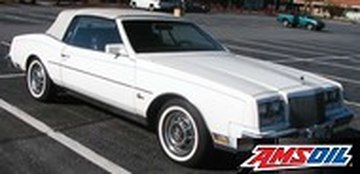
Engine Lubrication and Maintenance for the 1982 Buick RIVIERA 4.1L
Maintaining the mechanical integrity of a classic vehicle like the 1982 Buick RIVIERA requires a disciplined approach to routine service. For the 4.1L engine, consistent attention to lubrication and fluid health is a primary factor in ensuring long-term operational stability. Because older engines operate under different thermal and mechanical stresses than modern counterparts, owners should focus on proactive monitoring rather than waiting for visible signs of distress.
Monitoring Fluid Integrity and Potential Leaks
One of the most effective ways to monitor the health of the 4.1L engine is through regular visual inspections of the engine bay and undercarriage. Over time, various seals and gaskets may undergo changes in elasticity due to heat cycles and age. It is useful to look for signs of fluid seepage or active leaks around sealing surfaces.
When performing routine checks, observe the following:
- Surface Seepage: Look for oily residue on the engine block or near various connection points. Even small amounts of weeping can indicate that a seal is beginning to lose its effectiveness.
- Puddle Identification: Regularly check the ground where the vehicle is parked. Identifying the location of a drip can help narrow down whether a leak is originating from an engine component or another system.
- Fluid Color and Consistency: If you are checking the oil level, take note of the lubricant's appearance. While some discoloration is normal due to use, significant changes in texture or unexpected contaminants can warrant further investigation.
If any unusual fluid loss is detected, it should be investigated promptly. Addressing minor seepage early can often prevent more significant issues that arise when lubrication levels drop below the necessary threshold.
Observing Changes in Engine Operation
Beyond visual inspections, an owner's sensory input—what they hear, smell, or see while the vehicle is running—provides critical data regarding engine health. Because symptoms can have multiple underlying causes, any change in normal operation should be treated as a prompt for professional diagnosis rather than a definitive indicator of a specific part failure.
Potential indicators that require attention include:
- Unusual Odors: A burning smell may indicate that lubricant is contacting a hot engine component.
- Changes in Exhaust Appearance: While exhaust characteristics can vary based on many factors, any sudden or persistent change in the color of the exhaust smoke should be monitored closely.
- Audible Changes: New mechanical noises during startup or while idling may suggest that lubrication is not reaching certain components as effectively as it once did.
It is important to remember that these signs are often non-specific. For example, an oil-related odor does not automatically point to a single failed component; it simply indicates that the current state of the engine warrants a closer look.
Prioritizing Long-Term Maintenance Decisions
As a vehicle ages, the strategy for maintenance should shift from simple part replacement to condition-based management. For a 1982 Buick RIVIERA, this means using the actual state of the engine and its components to dictate service priorities rather than relying solely on the age of the vehicle.
Establishing a maintenance baseline is highly beneficial if the previous service history of the 4.1L engine is unknown. By documenting every oil change, filter replacement, and inspection, an owner creates a roadmap of the vehicle's health. This record-keeping allows you to distinguish between routine preventive maintenance and necessary repairs. If you encounter a vehicle with incomplete records, start by addressing any active leaks or visible signs of neglect first, then move into a regular schedule of fluid and component monitoring.
When managing an older engine, focus on the quality of the materials being used. For instance, if an engine shows signs of high mileage, some owners consider high-mileage oil formulations. These products often contain additives intended for use in aging engines, such as seal-conditioning agents, which may assist in maintaining the integrity of older gaskets.
General Component Inspections
A comprehensive service routine should include more than just checking the oil level. If equipped, inspecting accessible drive belts for signs of cracking, glazing, or fraying is a prudent step during every oil change. Similarly, if the vehicle is present with various rubber hoses, check them for brittleness or swelling, as these components can become fragile over several decades.
Electrical connections and wiring should also be inspected for signs of corrosion or heat damage. Ensuring that all electrical connectors are secure and clean helps prevent erratic sensor readings or ignition issues. By combining fluid management with these broader mechanical checks, you ensure a more holistic approach to the vehicle's longevity.
Selecting Lubricants Based on Application Data
The effectiveness of your maintenance routine is heavily dependent on using the correct products. For the 1982 Buick RIVIERA 4.1L, selecting an engine oil that matches the specific requirements of the engine is vital for maintaining proper lubrication and thermal stability.
When choosing a lubricant, do not rely on general automotive knowledge or assumptions based on the vehicle's age. Instead, match the engine oil to the application-specific viscosity information shown above on this page. Modern oil standards have evolved significantly since 1982, so always verify that the product you are purchasing is appropriate for the specific needs of this engine architecture.
Consider the following when preparing to purchase new supplies:
- Verify Labeling: Always check the product packaging to ensure it meets the necessary specifications.
- Oil Type Options: Depending on your maintenance goals and the current condition of the engine, you may choose between conventional, synthetic blends, or full synthetic oils.
- High-Mileage Formulations: If the engine has significant mileage, some high-mileage formulations include additives designed to support aging seals.
Practical Advice for Buying Engine Oil for your 1982 Buick RIVIERA 4.1L
To ensure the best possible care for your engine, always prioritize the application-specific information provided in the technical data section of this page. When you are ready to purchase new lubricant, use the vehicle-specific oil viscosity listed in the application information above rather than guessing based on similar models or general trends. Checking the product label against these specific requirements is the most reliable way to ensure that the oil provides the necessary protection for your 4.1L engine.